
Graphics Chip Giant Makes Bold Move Into Personal Computer Processors
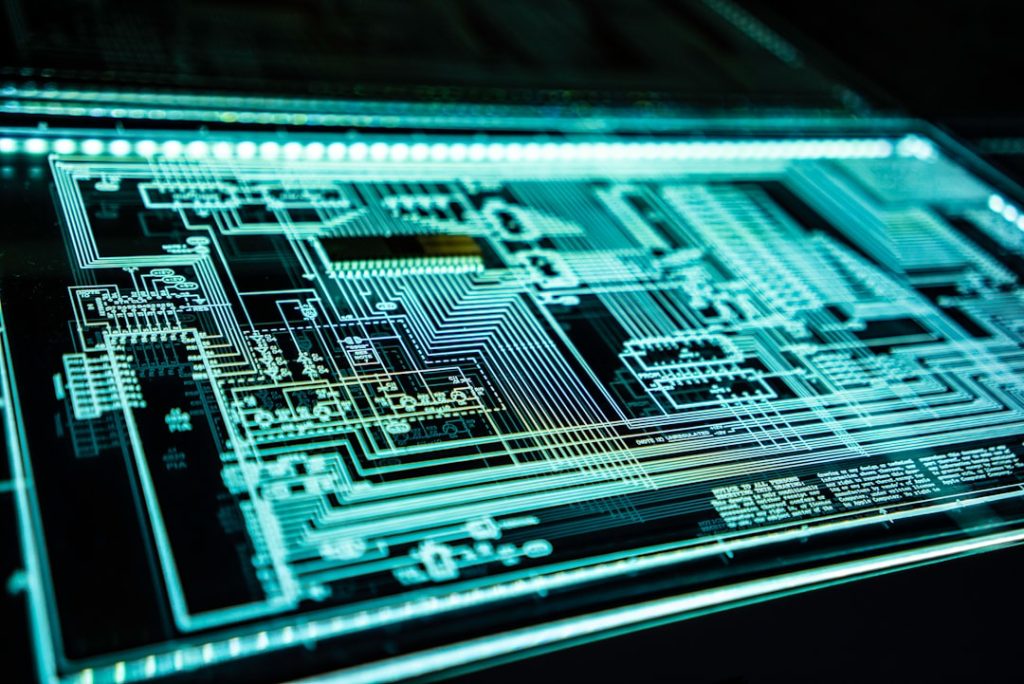
The semiconductor industry is witnessing a seismic shift as the world’s leading AI chip manufacturer ventures into the personal computer processor market, challenging decades of established dominance by traditional CPU makers. This move represents what I believe could be the most significant disruption to the PC industry since the introduction of multi-core processors.
At Taiwan’s Computex conference, the company unveiled its revolutionary N1X processor, developed in partnership with a major software corporation. This chip will power a new generation of Windows-based computers from leading manufacturers including Dell, HP, and others, launching this fall. The processor combines cutting-edge graphics capabilities with ARM-based architecture, marking a fundamental departure from traditional x86 designs.
What makes this development particularly compelling is the timing. The PC industry has been relatively stagnant for years, with incremental improvements rather than revolutionary changes. This new approach could finally deliver the performance leap that power users and AI developers have been waiting for. However, I’m skeptical about whether mainstream consumers will immediately see the benefits, especially given the premium pricing strategy being adopted.
The new processor architecture fuses advanced graphics processing units with custom ARM-based central processing units, supported by 128 gigabytes of unified memory. Built using cutting-edge 3-nanometer manufacturing technology, these chips promise superior performance and energy efficiency compared to traditional processors.

This strategic expansion makes perfect sense from a business perspective. Having conquered the data center AI market, diversifying into personal computing represents a natural evolution. The company recognizes that traditional processors are becoming bottlenecks in AI workflows, where accessing and distributing data requires different computational approaches than training large models.
The shift toward ARM architecture is particularly noteworthy. Originally popularized in smartphones, ARM processors have gained momentum in recent years due to their power efficiency. Apple’s successful transition to custom ARM chips in their MacBook lineup has proven the viability of this approach, though I believe the broader PC ecosystem faces more complex compatibility challenges.
Initial product launches will target premium segments, with laptops as thin as 14 millimeters and compact desktop models. The company is specifically focusing on creators, AI developers, and gamers who prioritize portability and performance. This targeting strategy is smart – these users are more likely to pay premium prices and tolerate potential software compatibility issues during the transition period.
For enterprise customers and everyday consumers, I’d recommend waiting for the second generation of these products. Early adopters will likely encounter software optimization challenges and limited application support. However, for AI researchers and content creators working with intensive computational tasks, these new processors could provide significant advantages.

The broader implications extend beyond just one company’s product launch. This represents a fundamental shift in how we think about computer architecture, blending traditional CPU functions with specialized AI acceleration. The industry is moving toward a future where every computer is essentially an AI workstation, and traditional processor designs may become obsolete.
What concerns me is the potential for market fragmentation. As more companies develop ARM-based processors, we could see compatibility issues similar to the early days of personal computing. Software developers will need to optimize applications for multiple architectures, potentially slowing innovation in the short term.
The data center processor announcement is equally significant, with production ramping up for a market that didn’t exist just a few years ago. Early customers include major AI companies and cloud providers, indicating strong enterprise demand for specialized AI processing capabilities.
This development will likely accelerate the ongoing transformation of the semiconductor industry. Traditional CPU manufacturers will need to respond aggressively or risk losing market share to these new architectural approaches. For investors and technology professionals, this represents both significant opportunities and risks as the industry landscape reshapes itself around AI-first computing paradigms.
Photo by Adi Goldstein on Unsplash
Photo by Alexandre Debiève on Unsplash