
Tech Giants Rally as AI Chip Innovation Reshapes Computing Landscape
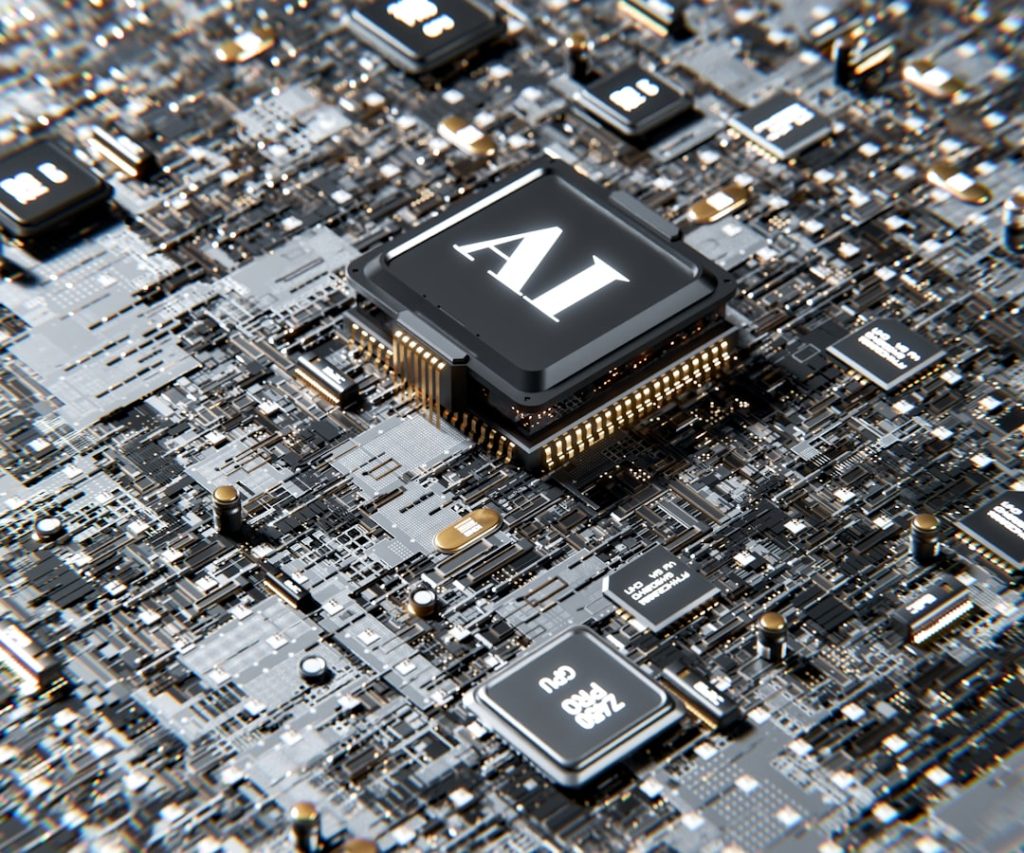
The technology sector experienced a dramatic surge in early trading as investors responded enthusiastically to groundbreaking developments in artificial intelligence chip technology. This rally represents more than just market speculation—it signals a fundamental shift in how we think about computing power and its commercial applications.
Several major technology companies saw their stock prices climb significantly in premarket trading. ServiceNow led the charge with an impressive 14.4% increase, while IBM posted gains of 12.7% and Hewlett Packard rose 12.6%. ARM Holdings also participated in the rally, climbing 12.2%, with Nebius adding over 2% to its value.
The Catalyst Behind the Market Movement
The driving force behind this market enthusiasm stems from announcements made at Taiwan’s Computex conference, where industry leaders revealed plans for a revolutionary new processor designed specifically for personal computers. This development, created in partnership with Microsoft, promises to fundamentally transform how we interact with computing devices.
What’s particularly striking about this announcement is the bold claim that this represents a complete reimagining of personal computing—comparable to the transformation that turned traditional mobile phones into today’s sophisticated smartphones. I believe this comparison is apt, though perhaps overly ambitious in its timeline expectations.

Winners and Losers in the New Computing Era
While many technology stocks celebrated, the news created clear winners and losers in the marketplace. Intel, traditionally a dominant force in PC processors, saw its shares decline nearly 6% in premarket trading. This reaction makes perfect sense—established chip manufacturers face genuine disruption when new players enter their core markets with innovative architectures.
The contrast is telling: companies positioned to benefit from AI integration are surging, while those relying on traditional computing paradigms are struggling. This divergence will likely define technology investment strategies for years to come.
International Market Response
Asian markets provided an early indicator of global investor sentiment, with South Korean technology stocks leading significant gains. The Kospi index jumped 3.7%, driven primarily by electronics manufacturers. LG Electronics posted remarkable gains of 29.9%, while Samsung Electronics climbed approximately 10.1%.
These movements reflect more than regional enthusiasm—they demonstrate how global supply chains and partnerships will be crucial in the AI-driven computing revolution. The fact that Samsung and LG executives are scheduled to meet with chip industry leaders this week suggests potential collaborations in artificial intelligence and robotics applications.

Investment Implications and Market Outlook
From an investment perspective, this rally highlights the importance of identifying companies that can adapt to AI-driven computing trends. However, I would caution against chasing these gains without understanding the underlying business fundamentals. Not every company riding this wave will successfully navigate the transition.
ServiceNow’s dramatic rise makes sense given its cloud-based platform capabilities, while IBM’s gains reflect its strategic pivot toward AI and hybrid cloud services. ARM’s participation is logical considering its processor architecture’s energy efficiency advantages in mobile and embedded applications.
The real question for investors is sustainability. While the initial market reaction is overwhelmingly positive, the true test will come as these companies demonstrate their ability to monetize AI chip innovations and integrate them into profitable business models.
This development particularly benefits technology companies with strong software capabilities and established enterprise relationships. Conversely, hardware manufacturers focused solely on traditional computing architectures may find themselves at a significant disadvantage unless they adapt quickly to these new paradigms.
Photo by Igor Omilaev on Unsplash
Photo by Steve A Johnson on Unsplash