
Beyond Binary: Understanding Nepal’s Third Gender Communities and Their Daily Realities
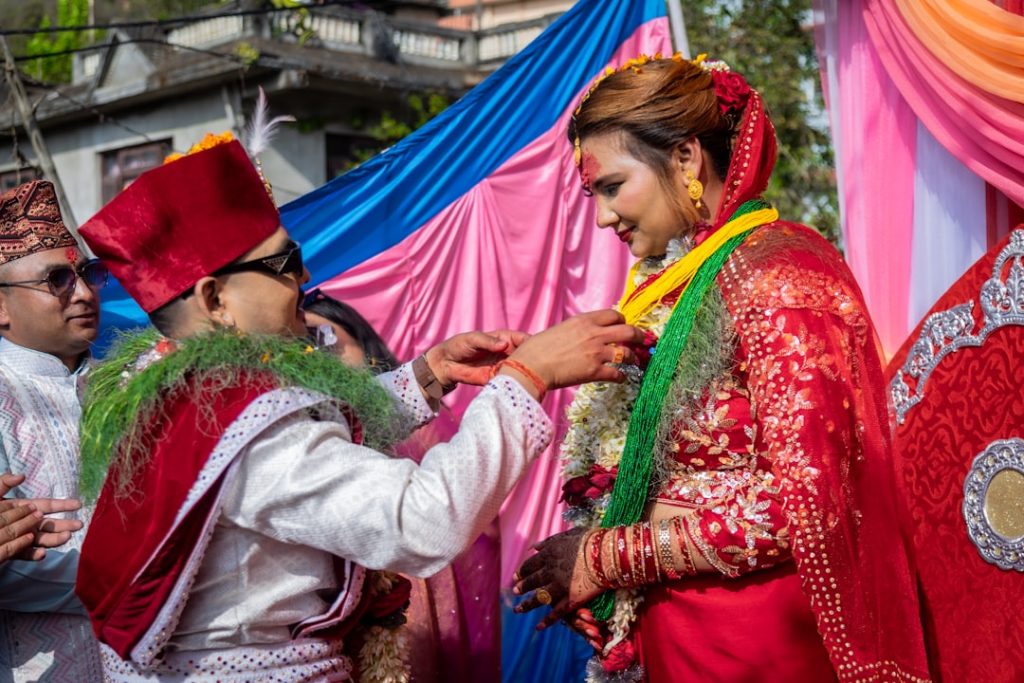
In the bustling streets of Kathmandu, where ancient traditions collide with modern challenges, lives a community that embodies both sacred reverence and social contradiction. The third gender community in Nepal—encompassing Meti, Hijra, and other gender-diverse individuals—offers a compelling lens through which to examine how societies can simultaneously honor and marginalize the same people.
What strikes me most about this community is the profound disconnect between spiritual acceptance and social reality. In my view, this represents one of the most glaring hypocrisies in contemporary South Asian society, and it’s a story that deserves far more attention than it typically receives.
The Sacred and the Marginalized
The Hindu tradition recognizes Ardhanarishvara—the divine form of Shiva that is half-masculine, half-feminine—as a central theological concept. This isn’t some obscure religious footnote; it’s fundamental to understanding the cosmic balance that Hinduism teaches. Yet the very people who embody this divine principle in their daily lives face discrimination, economic hardship, and social exclusion.
This contradiction fascinates and frustrates me in equal measure. How can a society that worships gender fluidity in its temples simultaneously reject it in its streets? The answer, I believe, lies in the comfortable distance between mythology and reality that many prefer to maintain.
Two Distinct Paths
The community itself is far from monolithic, something that outsiders often fail to understand. Meti individuals typically navigate their gender identity independently, building support networks through friendships and chosen family. Their journey is often more isolated but allows for greater personal autonomy.
Hijra communities, by contrast, operate within structured household systems led by gurus who provide mentorship, protection, and economic guidance to younger members called chelas. This traditional system offers security but comes with hierarchical obligations that some might find restrictive.
Both paths have merit, and I think it’s crucial that we don’t romanticize either approach. The Hijra system provides community support that can be lifesaving, but it’s not without its power dynamics and economic pressures. Individual paths offer freedom but can leave people vulnerable during crises.

Economic Realities and Cultural Contradictions
What particularly concerns me is the economic precariousness that defines most third gender individuals’ lives. They’re called upon for blessings at births and weddings—their presence considered auspicious—yet these same families would never accept their own children following similar paths.
The work available to them often exists in the margins: beauty services, tailoring, small ritual performances, and unfortunately, sex work. This economic marginalization isn’t accidental; it’s the direct result of systematic exclusion from mainstream employment opportunities.
I believe this economic aspect is where policy intervention could make the most immediate difference. Legal recognition means little if it doesn’t translate into employment opportunities, healthcare access, and social services.
Legal Progress Meets Social Stagnation
Nepal’s 2007 Supreme Court ruling on gender recognition was genuinely groundbreaking. The decision to base recognition on self-identification rather than medical certification was progressive by global standards and remains so today. However, as is often the case with landmark rulings, implementation has lagged far behind the legal framework.
This gap between law and lived experience highlights something I see repeatedly in social justice movements: legal victories, while important, are just the beginning of real change. The harder work lies in shifting social attitudes, workplace policies, and everyday interactions.
Festivals and Temporary Acceptance
The annual Gai Jatra festival provides a fascinating glimpse into what broader acceptance might look like. During this celebration, gender nonconformity becomes temporarily permissible as part of traditional performance and social commentary. For a few hours, the streets hold these individuals differently.
But here’s what troubles me about this temporary acceptance: it suggests that society already knows how to include gender-diverse people—it simply chooses not to do so most of the time. The festival proves that acceptance is possible; it’s the will that’s lacking.

Who Benefits and Who Doesn’t
This story matters most for policymakers, social workers, and anyone involved in LGBTQ+ advocacy. Understanding the specific cultural context of gender diversity in Nepal is crucial for developing effective support systems.
For international observers, this community challenges Western-centric models of gender identity and demonstrates that non-binary gender concepts have deep historical roots in many cultures. However, it would be a mistake to romanticize these traditions or assume they automatically translate to social acceptance.
Urban, educated Nepalis who consider themselves progressive need to confront their own biases here. It’s easy to support gender rights in theory while still participating in the everyday exclusions that make life difficult for third gender individuals.
The Path Forward
What gives me hope is the resilience and community-building I see within these groups. The networks of care, the shared resources during difficult times, and the mentorship systems all demonstrate sophisticated social organization that mainstream society could learn from.
The challenge now is translating Nepal’s progressive legal framework into meaningful social change. This requires sustained effort from multiple sectors: employers need to create inclusive hiring practices, healthcare systems must provide respectful service, and educational institutions should incorporate gender diversity into their curricula.
Most importantly, this isn’t just about tolerance—it’s about recognition. These communities aren’t asking for special treatment; they’re demanding the basic dignity that their own religious traditions have always accorded them. In a country where the divine itself transcends gender, there’s no theological justification for discrimination.
The real test of Nepal’s commitment to inclusion will be measured not in courtrooms or legislation, but in the daily interactions that either affirm or deny the full humanity of its third gender citizens. That’s where the most important work remains to be done.
Photo by Sushanta Rokka on Unsplash
Photo by Tanmay Abhay Mahajan on Unsplash
Photo by Sunil Chandra Sharma on Unsplash