
Wheat Straw Emerges as Promising Alternative for Sustainable Fashion Fibers
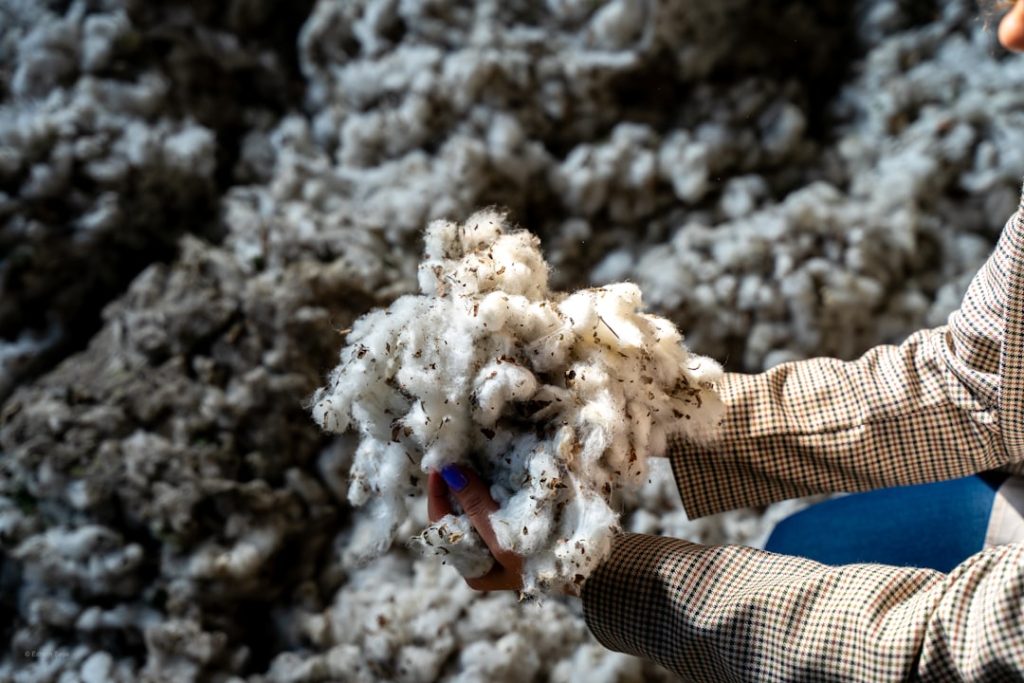
The fashion industry’s relentless search for sustainable alternatives to traditional materials has yielded an intriguing possibility: wheat straw. A comprehensive study by environmental organization Canopy reveals that agricultural waste could revolutionize how we produce cellulose-based textiles, offering a compelling case for brands serious about reducing their environmental footprint.
Transforming Agricultural Waste into Wearable Textiles
The research initiative, known as Project Latvus, demonstrates how wheat straw can successfully replace wood-derived materials in creating viscose and lyocell fibers. This collaborative effort involved multiple stakeholders across the textile supply chain, from environmental groups to major fashion retailers, proving that sustainable innovation requires industry-wide cooperation.
What makes this development particularly exciting is its practical approach to solving two environmental problems simultaneously. Rather than theoretical research, the project followed wheat straw from Indian fields through European processing facilities to finished garments, providing real-world validation of the concept’s viability.
The Production Journey: From Field to Fabric
The process began in Punjab and Haryana, where farmers collected wheat straw under careful supervision to ensure quality standards. This agricultural residue was then shipped to Finland for processing, where it underwent cutting, pretreatment, and bleaching to create usable pulp.
The transformation continued in Germany, where specialized facilities dissolved and spun the pulp into fibers. Portuguese manufacturers then converted these fibers into yarns meeting specific brand requirements, before various partners wove them into different fabric types including single-jersey, plain-weave, and sweater materials.
This extensive supply chain involvement proves that sustainable innovation isn’t just about finding new materials—it requires reimagining entire production networks. For brands willing to invest in this complexity, the rewards could be substantial.

Performance Results and Market Viability
The testing phase revealed encouraging results, particularly for knit and sweater applications. Direct comparisons between wheat straw-based fabrics and conventional wood-pulp alternatives showed comparable quality and aesthetic appeal. One participating brand concluded that the wheat straw material matched conventional lyocell in purity without major quality concerns.
However, I believe it’s crucial to acknowledge the challenges honestly. The pilot encountered lower pulp yields than industrial-scale production would require, along with issues including yarn hairiness, reduced strength compared to conventional lyocell, and problems with colorfastness and dimensional stability after washing.
These aren’t insurmountable obstacles, but they highlight why this innovation appeals primarily to forward-thinking brands willing to invest in long-term sustainability rather than companies seeking immediate cost savings or performance improvements.
Environmental Impact: A Compelling Case for Change
The environmental benefits present the strongest argument for wheat straw fibers. Current textile production methods consume approximately 300 million trees annually, many from ecologically critical forests. For environmentally conscious consumers and brands, this statistic alone justifies exploring alternatives.
Additionally, repurposing wheat straw addresses a significant pollution problem in agricultural regions. India alone burns 90 million metric tons of agricultural residue yearly, releasing massive quantities of carbon dioxide, carbon monoxide, sulfur oxides, and particulate matter into the atmosphere. Converting this waste into valuable textile materials could substantially reduce these emissions.
This dual environmental benefit—forest preservation and agricultural waste reduction—makes wheat straw fibers particularly attractive for brands with comprehensive sustainability commitments. However, companies focused solely on cost reduction or those operating in fast-fashion segments may find the current economics less appealing.

Commercial Prospects and Market Readiness
The project’s leaders emphasize that while the technology proves viable, scaling remains the critical challenge. The next phase involves comprehensive techno-economic assessments to determine financial feasibility at commercial production levels.
From my perspective, this positions wheat straw fibers perfectly for premium and mid-market brands with sustainability mandates, but less favorably for budget-conscious segments where price sensitivity outweighs environmental considerations. The technology appears most suitable for companies willing to pay modest premiums for significant environmental benefits.
Consumer education represents another crucial factor. Success will depend on effectively communicating the environmental advantages to shoppers increasingly concerned about fashion’s ecological impact. Brands that excel at sustainability storytelling will likely benefit most from early adoption.
Looking Forward: Industry Transformation Potential
The research suggests that diversifying textile feedstocks beyond forests could create more resilient, circular production systems. This appeals particularly to brands seeking supply chain security and environmental leadership, though it may seem less relevant to companies prioritizing traditional performance metrics.
The final implementation phase will focus on optimizing production processes and scaling manufacturing capabilities. This gradual approach makes sense given the technical challenges identified, but it also means early adopters will need patience and commitment to long-term sustainability goals rather than immediate returns.
For the fashion industry, wheat straw fibers represent exactly the kind of innovation needed to address mounting environmental pressures. The question isn’t whether this technology will succeed, but which brands will position themselves as leaders in sustainable textile innovation.
Photo by Edhem ŞEŞE on Unsplash
Photo by EqualStock on Unsplash