
Enigmatic Fashion Designer Opens Personal Archive for Sale
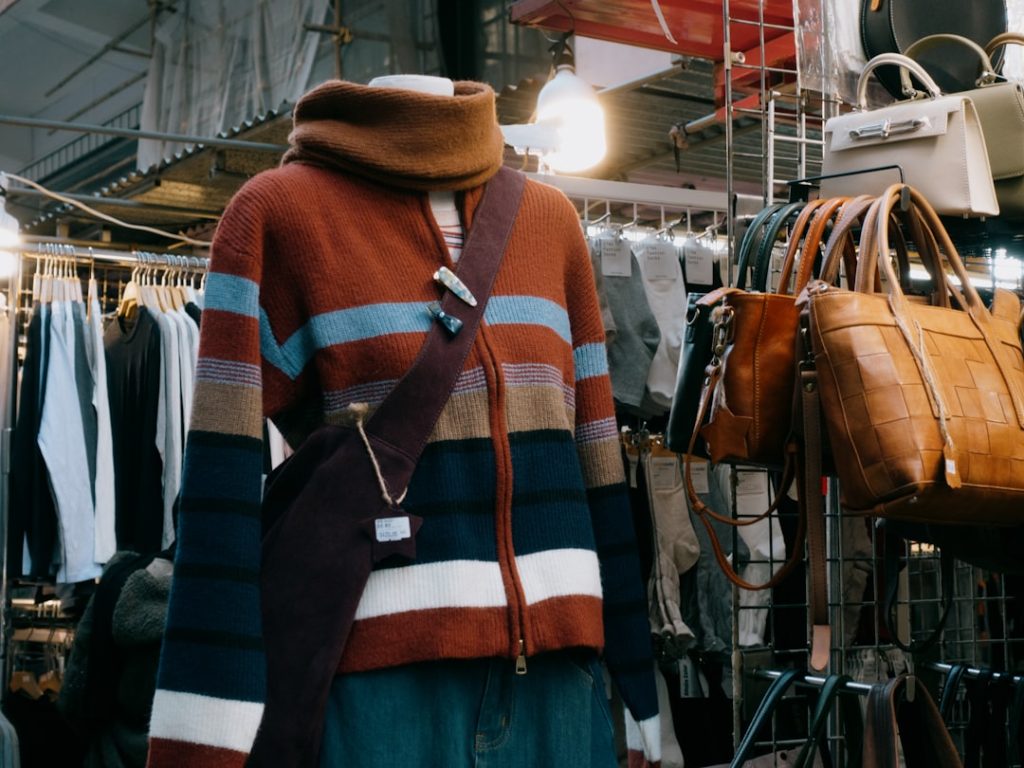
The fashion world is buzzing with excitement as one of its most reclusive figures has made an unprecedented decision to part with pieces from his personal collection. This move represents a rare opportunity for collectors and fashion enthusiasts to acquire works from a designer who has consistently shunned the spotlight throughout his career.
What makes this development particularly fascinating is the designer’s legendary commitment to anonymity. Throughout his career, he has deliberately avoided personal publicity, never appearing at his own fashion shows and maintaining an almost mythical presence in the industry. This approach to fame – or rather, the deliberate avoidance of it – has only heightened the mystique surrounding his work.
In my opinion, this sale represents more than just a commercial transaction; it’s a cultural moment that deserves serious attention from anyone interested in fashion history. The pieces being offered aren’t just garments – they’re artifacts from one of fashion’s most innovative periods. For serious collectors with deep pockets, this is essentially a once-in-a-lifetime opportunity to own museum-quality pieces.
The Significance of Deconstructionist Fashion
The designer’s approach to fashion fundamentally challenged conventional notions of luxury and beauty. His deconstructionist philosophy involved taking apart traditional garments and reassembling them in unexpected ways, often exposing seams, linings, and construction details that would typically remain hidden. This wasn’t merely an aesthetic choice – it was a philosophical statement about transparency and the nature of fashion itself.

What I find particularly compelling about this methodology is how it anticipated many of today’s conversations about sustainability and conscious consumption. By celebrating the construction process and making visible the labor involved in garment creation, these designs offered a counter-narrative to fashion’s typical emphasis on surface glamour.
However, I must note that this type of conceptual fashion isn’t for everyone. These pieces require a sophisticated understanding of fashion history and theory to fully appreciate. They’re definitely not suitable for someone looking for conventional wardrobe staples or easily wearable pieces.
Market Implications and Collector Interest
The timing of this archive sale is particularly intriguing given the current state of the luxury fashion market. We’re seeing unprecedented interest in vintage and archival pieces, driven partly by sustainability concerns and partly by a desire for unique, non-mass-produced items. This trend has created a perfect storm of demand for exactly the type of pieces being offered.
From an investment perspective, I believe these pieces will likely appreciate significantly over time. The designer’s influence on contemporary fashion continues to grow, and his work is increasingly recognized by major museums and academic institutions. For wealthy collectors who understand fashion as both art and investment, this sale represents an opportunity to acquire pieces that will likely become even more valuable as time passes.

That said, this market is definitely not accessible to casual fashion enthusiasts. The prices for these archival pieces will likely be substantial, making them relevant primarily to serious collectors, museums, and fashion institutions rather than individual fashion lovers.
The Broader Cultural Impact
What strikes me most about this development is what it reveals about the changing nature of fashion legacy. In an era where most designers are constantly in the public eye, building personal brands as much as fashion houses, this designer’s approach feels almost radical in its restraint.
The decision to sell these personal pieces might signal a desire to ensure the work finds appropriate homes while the designer can still influence that process. It’s a thoughtful approach to legacy management that other designers might learn from.
For fashion students and academics, this sale provides an invaluable opportunity to study these pieces up close. The construction techniques and conceptual approaches pioneered by this designer continue to influence fashion education and contemporary design practice.
Ultimately, while this archive sale will primarily benefit wealthy collectors and institutions, its broader significance extends to anyone interested in fashion as an art form. These pieces represent a unique moment in fashion history when a designer successfully challenged industry conventions while creating commercially successful collections – a balance that remains difficult to achieve today.
Photo by Catgirlmutant on Unsplash
Photo by Adiel Gavish on Unsplash
Photo by Kamilla Isalieva on Unsplash