
Alternative Wired Internet Solutions: Bypassing Traditional Ethernet Installation
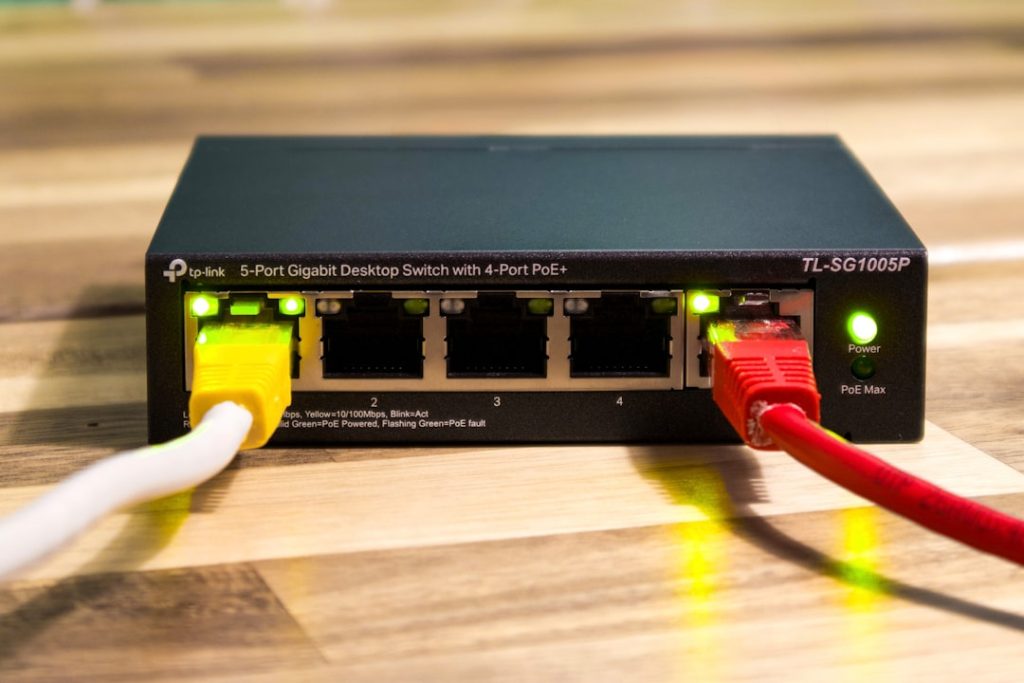
In my view, the eternal struggle between wireless convenience and wired reliability continues to frustrate users across all demographics. While Wi-Fi dominates our connected lives, I believe there’s a compelling case for exploring wired alternatives that don’t require invasive cable installation.
The reality is that wireless networks, despite their ubiquity, face inherent limitations that affect different users disproportionately. Gamers and remote workers suffer most from latency issues and signal interference, while casual users might tolerate occasional buffering. What I find particularly interesting is how modern adapter technology has evolved to bridge this gap without the traditional headaches of running cables through walls.
Why Wired Connections Still Matter
I’m convinced that direct ethernet connections remain superior for demanding applications, and here’s why it matters. The physics are simple: a direct cable connection eliminates the variables that plague wireless signals – interference from neighboring networks, physical obstructions, and distance-related degradation.
For competitive gamers, video content creators, and professionals conducting frequent video conferences, this performance difference is non-negotiable. However, I think casual internet users often overlook how much their streaming experience could improve with a stable wired connection. The difference between consistent 4K streaming and occasional quality drops might seem minor, but it adds up over time.
Traditional ethernet installation presents obvious obstacles. Renters face lease restrictions, homeowners confront aesthetic concerns, and everyone deals with the practical challenges of cable management around furniture and foot traffic.
Coaxial-Based Networking Solutions
The MoCA (Multimedia over Coax Alliance) approach represents what I consider the most elegant solution for homes with existing coaxial infrastructure. This technology leverages the same cables that deliver cable television to transmit internet data, and I believe it offers the best balance of performance and convenience for most users.
What impresses me about MoCA is its reliability compared to other alternatives. Since coaxial cables were designed for high-frequency signals, they handle data transmission more predictably than repurposed electrical wiring. The technology can theoretically deliver speeds up to 2.5Gbps, though real-world performance typically ranges from 400Mbps to the maximum, depending on cable quality and age.
This solution works best for households with multiple coaxial outlets and users who prioritize consistent performance over cost savings. However, I wouldn’t recommend it for homes without existing coax infrastructure, as installation costs would negate the benefits.
Electrical System Networking
Powerline adapters represent the most accessible entry point into wired networking alternatives, though they come with significant caveats that I think many users underestimate. The concept is straightforward: these devices use your home’s electrical wiring to carry internet signals between outlets.
The appeal is obvious – every room has electrical outlets, making powerline adapters universally applicable. Setup requires minimal technical knowledge: connect one adapter to your router and plug it into a wall outlet, then place additional adapters wherever you need internet access.
However, I must emphasize that powerline performance varies dramatically based on factors beyond your control. The quality of your home’s electrical wiring, the circuit configuration, and interference from other appliances all impact performance. In ideal conditions with high-end adapters on the same electrical circuit, you might achieve 600Mbps speeds. But cross-circuit connections often drop to 100Mbps or less.
I find powerline adapters most suitable for users who need better-than-Wi-Fi performance in specific locations and can tolerate variable speeds. They’re not ideal for applications requiring consistent low latency, like competitive gaming or real-time video production.
Managing Electrical Interference
What many users don’t realize is how household appliances affect powerline performance. Major appliances like air conditioners, washing machines, and even kitchen blenders can introduce signal interference. I’ve observed connections drop entirely when high-power devices activate on the same circuit.
For optimal results, I recommend dedicating outlets to powerline adapters and avoiding shared circuits with major appliances. This limitation makes powerline less suitable for older homes with complex electrical systems or households with extensive appliance usage.
Fiber Optic Solutions
Ethernet over fiber represents the premium option that I believe delivers on its promises, albeit at a significant cost premium. Unlike adapters that repurpose existing infrastructure, fiber optic solutions involve installing new cables specifically designed for data transmission.
The performance advantage is undeniable. Fiber optic cables don’t suffer from the signal degradation that affects other solutions, delivering advertised speeds consistently. If you purchase a 1Gbps kit, you’ll receive 1Gbps performance regardless of distance or environmental factors.
I’m particularly impressed by the physical characteristics of modern fiber cables. They’re thin enough to route discreetly around rooms without creating tripping hazards or requiring wall modifications. This makes them suitable for renters and homeowners who want performance without permanent modifications.
However, the installation process requires more care and attention than other solutions. Fiber optic cables contain delicate glass fibers that can break if kinked or bent too sharply. Success depends on your comfort level with precise cable routing and permanent adhesive installation.
Cost-Benefit Analysis
The financial investment in fiber solutions is substantial – expect to pay several hundred dollars compared to under $100 for basic powerline adapters. I believe this cost is justified for users who absolutely require maximum performance and reliability, such as content creators, remote workers with demanding applications, or serious gamers.
For casual users who primarily stream video and browse the web, I think the cost-benefit ratio favors less expensive alternatives unless money isn’t a constraint.
Choosing the Right Solution
In my assessment, the choice between these alternatives depends on your specific circumstances, technical requirements, and budget constraints. MoCA offers the best combination of performance and reliability for homes with existing coaxial infrastructure. Powerline adapters provide the most accessible entry point but with variable performance. Fiber optic solutions deliver premium performance at premium prices.
I recommend powerline for budget-conscious users who need better-than-Wi-Fi performance in specific locations. MoCA suits users prioritizing reliability with existing coax outlets. Fiber optic solutions serve users who demand maximum performance regardless of cost.
Ultimately, I believe these technologies have matured sufficiently to provide viable alternatives to traditional ethernet installation, each serving different user needs and circumstances effectively.
Photo by User_Pascal on Unsplash