
Major Chip Manufacturer’s Computex Presentation Could Reshape ARM Computing Landscape
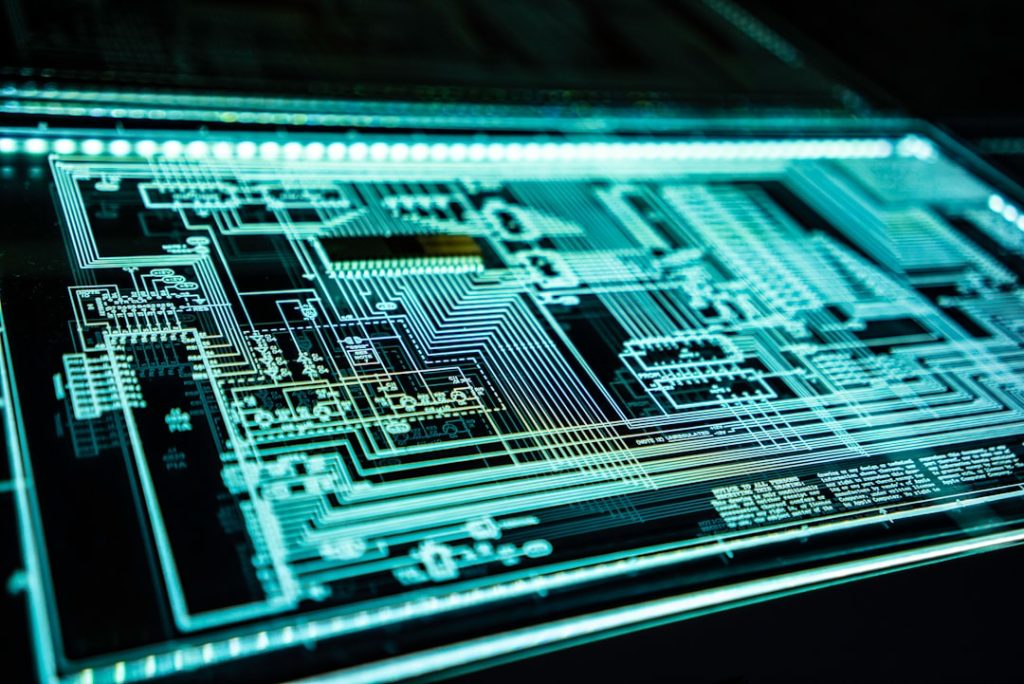
The semiconductor industry is buzzing with anticipation as one of the world’s leading chip manufacturers prepares to unveil what could be a game-changing announcement at Computex. The presentation, scheduled for 8PM Pacific Time (11PM Eastern), has generated significant speculation about potential new ARM-based processors that might finally challenge the current market dynamics.
What makes this particularly intriguing is the timing and context. The ARM processor market has been dominated by a handful of players, with Qualcomm holding a particularly strong position in the high-end Windows laptop segment. However, industry insiders believe we’re about to witness a major shift that could democratize this space and introduce fresh competition.
Why This Matters More Than You Think
I believe this announcement represents a pivotal moment for the computing industry, particularly for professionals and power users who have been waiting for viable alternatives to traditional x86 architecture. The rumored N1 and N1X processors could finally deliver the performance-per-watt efficiency that ARM promises without the compatibility compromises that have plagued previous attempts.

For enterprise customers and IT decision-makers, this development is especially significant. The prospect of having multiple ARM chip suppliers competing for Windows laptop business means better pricing, more innovation, and reduced dependency on single-source solutions. However, casual consumers might not immediately see the benefits, as the initial rollout will likely target premium devices first.
Learning from Past Missteps
The history of ARM processors in Windows laptops is littered with ambitious projects that failed to gain traction. The Surface RT debacle from 2012 serves as a cautionary tale of how not to execute an ARM transition. That device suffered from severe software limitations and poor performance optimization, ultimately becoming a commercial failure that set back ARM adoption by years.
What’s different this time is the maturity of both the ARM ecosystem and Windows’ compatibility layer technology. The lessons learned from previous failures have likely informed a more strategic approach to market entry. Still, I remain skeptical about whether consumers will embrace another ARM transition, given the mixed track record.

Market Implications and Competitive Landscape
The potential entry of a new major player into the ARM processor space could fundamentally alter competitive dynamics. Qualcomm’s exclusive licensing arrangements may be coming to an end, opening the door for increased competition. This is excellent news for OEMs who have been seeking alternatives to diversify their supply chains.
However, success isn’t guaranteed. The ARM processor market is notoriously difficult to penetrate, with established players like MediaTek dominating budget segments and Qualcomm maintaining its premium positioning. Any new entrant will need to offer compelling advantages in performance, efficiency, or cost to gain meaningful market share.
Who Should Pay Attention
This announcement is most relevant for technology professionals, enterprise buyers, and early adopters who prioritize cutting-edge performance and efficiency. Software developers working on ARM optimization should also take note, as expanded ARM adoption could create new opportunities and challenges.
Conversely, mainstream consumers who primarily use their laptops for basic productivity tasks may not see immediate benefits. The transition to new processor architectures typically involves growing pains, compatibility issues, and premium pricing that make early adoption less appealing for casual users.
The presentation promises to be a watershed moment that could reshape the laptop industry’s future. Whether it delivers on the substantial expectations remains to be seen, but the potential implications make it essential viewing for anyone invested in the evolution of personal computing.
Photo by Adi Goldstein on Unsplash
Photo by Alexandre Debiève on Unsplash