
Tech Giant’s Smart Eyewear Strategy Mirrors Smartwatch Market Disruption
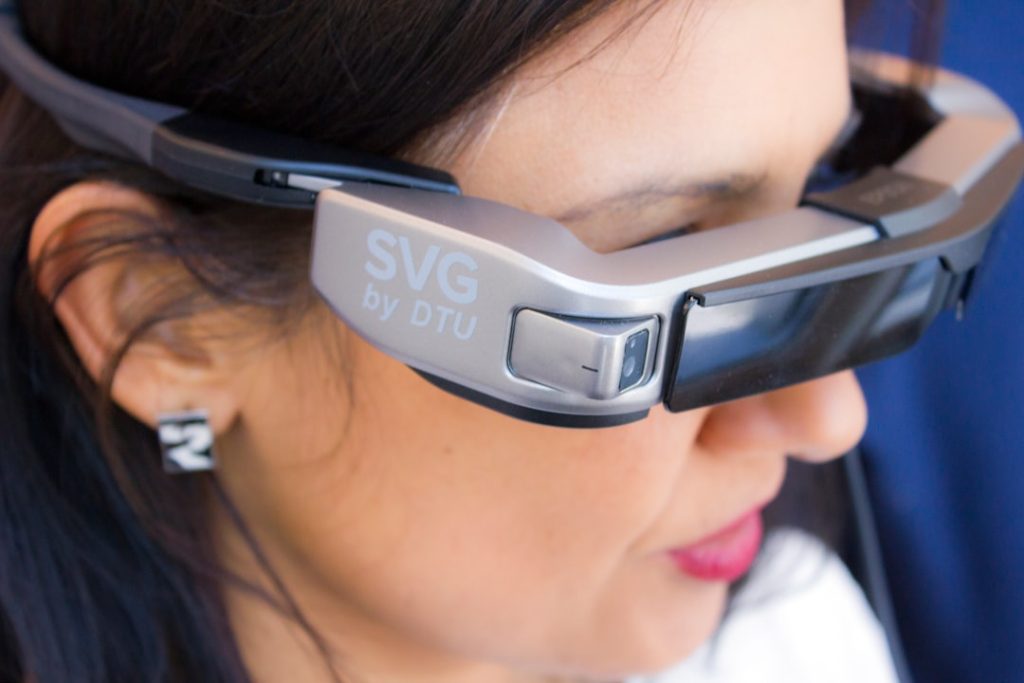
The wearable technology landscape is about to witness another seismic shift, and I believe we’re looking at a repeat of the smartwatch revolution that transformed timepiece retail forever. A major tech company is reportedly preparing to challenge not just existing smart glasses manufacturers, but the entire traditional eyewear industry—from budget frames to designer brands.
This approach feels eerily familiar, and frankly, it’s brilliant. When smartwatches first emerged, they didn’t just compete against other tech gadgets. Instead, they went after the entire watch ecosystem, targeting everyone from casual Casio wearers to luxury Swiss timepiece enthusiasts. Now, the same strategy is being applied to eyewear, with plans to compete directly against established optical retailers and fashion eyewear brands in the $200-$500 price range.
The Market Opportunity is Staggering
Here’s what makes this particularly compelling from a business perspective: while the global watch market generates approximately $132 billion annually, the eyewear industry is worth an estimated $180-$200 billion. That’s a massive addressable market, and one that’s ripe for technological disruption.

What I find most interesting is the strategic decision to avoid the ultra-luxury segment this time around. Previous attempts at premium positioning—like $10,000 gold smartwatches—proved that even the most innovative tech companies can’t simply muscle their way into established luxury markets. This more pragmatic approach targeting mainstream consumers shows real market maturity.
Who Benefits Most From This Strategy
This development is particularly relevant for several key groups. Tech enthusiasts who already live within integrated device ecosystems will likely find smart glasses irresistible, especially with promised AI features that could enhance daily interactions with the physical world. The integration potential with smartphones and other connected devices creates a compelling value proposition that traditional eyewear simply cannot match.
Current eyewear customers in the mid-range market should also pay attention. If the execution matches the ambition, they might soon have access to prescription glasses that also function as sophisticated computing devices—potentially at price points competitive with traditional designer frames.

The Challenges Ahead
However, I’m skeptical about how quickly this transformation will occur. The eyewear industry has unique challenges that the watch market didn’t face. Prescription requirements, face fitting, and the deeply personal nature of eyewear selection create barriers that smartwatch adoption didn’t encounter. People are incredibly particular about how glasses look and feel—factors that go well beyond technological capability.
Traditional eyewear retailers and manufacturers who dismiss this threat do so at their own peril. The same complacency that allowed smartwatches to capture significant market share from traditional timepieces could easily repeat itself in the optical industry.
What This Means for Consumers
For everyday consumers, this represents both opportunity and complexity. Those who value cutting-edge technology and seamless device integration will likely embrace smart glasses enthusiastically. However, customers who prioritize fashion, brand heritage, or simply prefer uncomplicated eyewear might find themselves overwhelmed by the technological features they don’t want or need.
The real test will be whether smart glasses can achieve the same mainstream acceptance that smartwatches eventually found. While the technology promises are impressive, success will ultimately depend on creating products that people actually want to wear on their faces every day—a significantly more intimate and visible commitment than strapping a device to your wrist.
Photo by Quang Tri NGUYEN on Unsplash
Photo by Zarak Khan on Unsplash
Photo by Matthew Fassnacht on Unsplash