
Major Hotel Chain Unveils University-Focused Brand Targeting 400 Campus Towns
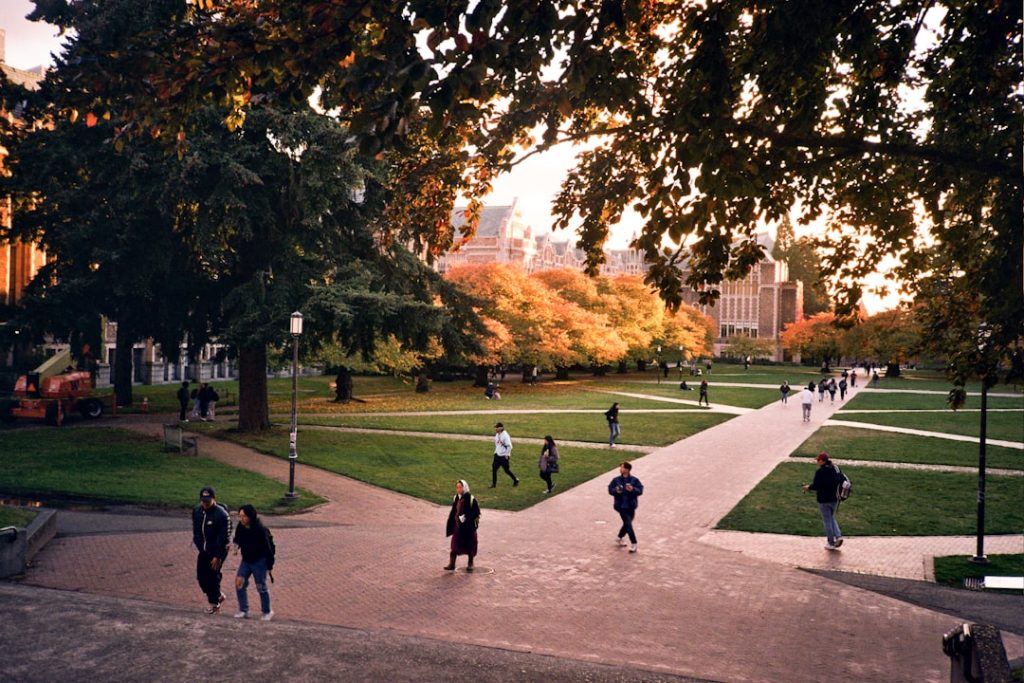
The hospitality industry is witnessing an intriguing shift as one of the world’s largest hotel companies ventures into a highly specialized market segment: college towns. The new brand, called Undergraduate, represents a calculated expansion into communities where academic calendars drive consistent demand patterns throughout the year.
This move strikes me as particularly shrewd from a business perspective. College towns offer something most hospitality markets lack: predictable, recurring demand tied to specific events like campus tours, graduation ceremonies, athletic competitions, and academic conferences. Unlike traditional leisure destinations that can be seasonal or unpredictable, university communities provide a steady stream of visitors who need accommodations.
Strategic Market Positioning
The new brand positions itself in the upper-midscale segment, which I believe is the sweet spot for this concept. It’s affordable enough for visiting families and prospective students, yet elevated enough to attract business travelers and alumni returning for events. This pricing strategy makes sense because college town visitors often include budget-conscious families who still want quality accommodations.
What’s particularly interesting is the ambitious expansion plan targeting 400 to 500 locations. This scale suggests the company sees significant untapped potential in university markets that have been underserved by major hotel brands. Many college towns currently rely on outdated independent properties or limited chain options, creating a clear opportunity for a purpose-built concept.

Design and Experience Focus
The brand promises to create spaces that function as “always-on, off-campus hangouts” with library-style work areas, community lounges, and locally-inspired design elements. This approach demonstrates understanding of what college town visitors actually need: flexible spaces for work, study, and informal meetings.
I’m particularly impressed by the inclusion of all-day coffee shops and cocktail programs. These amenities serve multiple constituencies – visiting parents need caffeine during long campus tour days, while alumni want sophisticated spaces to reconnect during homecoming weekends. The decision to make these spaces accessible to both guests and the broader community is smart, as it helps integrate the hotels into the fabric of their locations.
Who Benefits Most
This concept will be most valuable for:
- Families visiting prospective or current students who want predictable, campus-appropriate accommodations
- Alumni returning for reunions, games, or special events who desire elevated experiences with local character
- Business travelers and conference attendees who need professional amenities in university settings
- Prospective franchisees looking for a differentiated concept with built-in demand drivers
Potential Limitations
However, this brand won’t work for everyone:

- Luxury travelers seeking high-end amenities may find the upper-midscale positioning insufficient
- Business travelers needing extensive meeting facilities might prefer full-service properties
- Leisure tourists unconnected to university activities may not appreciate the campus-focused theming
Market Timing and Competition
The timing for this launch appears strategic. Post-pandemic travel patterns have shown increased demand for authentic, community-connected experiences rather than generic accommodations. College towns, with their distinct identities and regular event calendars, offer exactly this type of authentic local connection.
What concerns me slightly is the execution challenge. Creating 400+ properties that each authentically reflect their specific university community while maintaining brand consistency will require significant attention to local details. The success will depend heavily on how well each property integrates genuine local elements rather than superficial campus theming.
The first location is scheduled to open by 2027, giving the company time to refine the concept and build operational systems. This timeline suggests a measured approach rather than rushed expansion, which I view positively given the complexity of creating authentic local experiences at scale.
Overall, this represents a thoughtful response to an underserved market segment. College towns have unique hospitality needs that generic hotel brands often fail to address adequately. A purpose-built concept that understands these communities could capture significant market share while providing genuinely better experiences for university-connected travelers.
Photo by David Schultz on Unsplash
Photo by Cole Parsons on Unsplash
Photo by Umair Dingmar on Unsplash