
Middle East Tensions Escalate as Military Actions Continue Despite Diplomatic Efforts
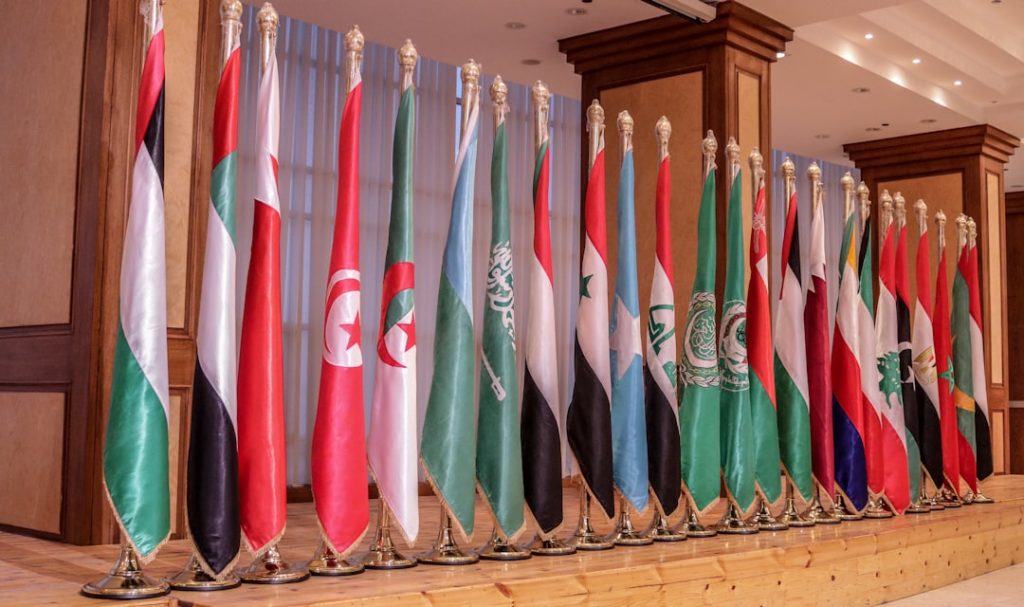
The ongoing conflict between Washington and Tehran has entered a new phase of complexity, with both nations engaging in military strikes while simultaneously pursuing diplomatic channels for de-escalation. This paradoxical situation highlights the intricate nature of modern international relations, where military posturing and peace negotiations often occur in parallel.
What strikes me as particularly concerning is how this dual approach reflects the deep mistrust between these two powers. While diplomats work behind closed doors to establish a formal ceasefire agreement, military commanders continue executing operations that could easily derail any progress made at the negotiating table.

For regional allies and trading partners, this situation creates an impossible planning environment. Businesses operating in the Middle East face constant uncertainty, while neighboring countries must prepare for potential spillover effects. I believe this instability particularly hurts smaller nations that lack the military or economic resources to weather prolonged regional tensions.
The ceasefire formalization process appears to be moving at a glacial pace, which frankly isn’t surprising given the decades of animosity between these nations. What’s troubling is how each new military action potentially sets back diplomatic progress by weeks or months.

From my perspective, this situation benefits only defense contractors and those profiting from regional instability. The real losers are ordinary citizens on both sides who bear the economic and social costs of this prolonged standoff. Energy markets remain volatile, shipping routes face disruption, and humanitarian concerns continue mounting.
I think the international community needs to apply more pressure for genuine de-escalation rather than accepting this dangerous status quo of simultaneous warfare and peace talks. The current approach seems designed more for domestic political consumption than achieving lasting stability.
For investors and policymakers watching this situation, the key takeaway should be that formal agreements mean little when underlying strategic differences remain unresolved. Until both sides demonstrate genuine commitment to peaceful coexistence over military dominance, these cycles of escalation and negotiation will likely continue indefinitely.
Photo by Mahmoud Ayad on Unsplash
Photo by Emin Huric on Unsplash
Photo by Marek Studzinski on Unsplash