
Portuguese Utility Launches Strategic Divestment of Solar Portfolio in Iberian Peninsula
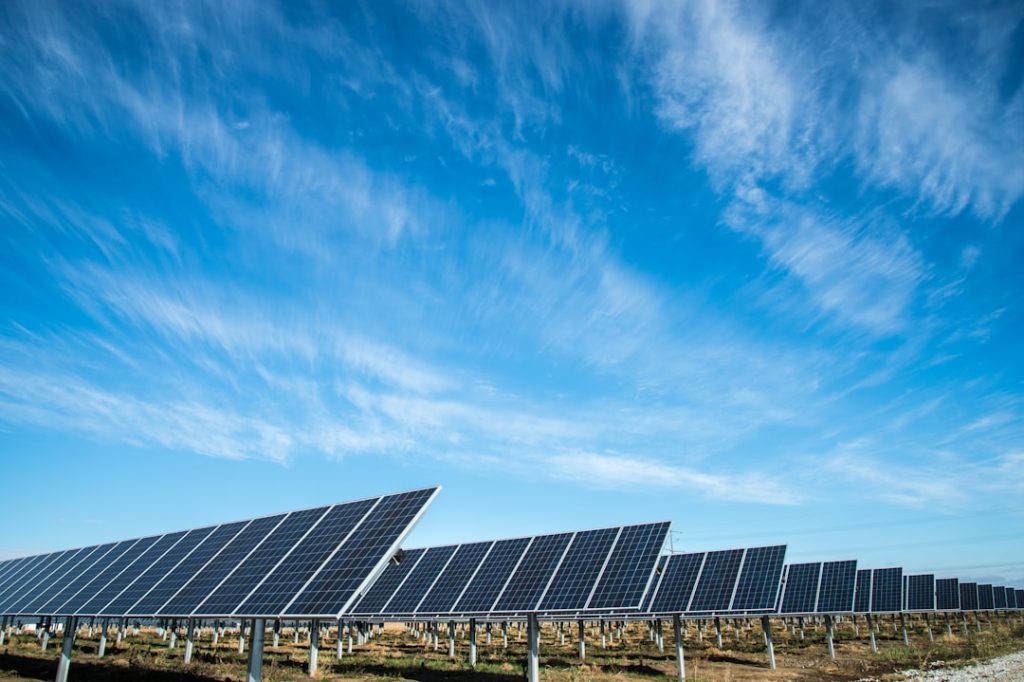
Portugal’s leading energy company is reportedly initiating procedures to divest a minority ownership position in its distributed solar generation facilities across the Iberian Peninsula, with the transaction valued at approximately €200 million according to industry sources familiar with the development.
This move represents what I believe to be a smart strategic pivot in the current renewable energy landscape. The decision to retain majority control while bringing in strategic partners demonstrates sophisticated capital management that many utilities should consider emulating.
Strategic Implications for Renewable Energy Investors
The timing of this divestment is particularly noteworthy, as distributed solar assets have become increasingly attractive to institutional investors seeking stable, long-term returns. From my perspective, this type of transaction benefits multiple stakeholders: the utility can unlock capital for further expansion while maintaining operational control, and investors gain exposure to proven renewable infrastructure.

For pension funds and infrastructure investors, these distributed generation portfolios offer the kind of predictable cash flows that are increasingly rare in today’s volatile markets. However, retail investors should understand that direct participation in such deals typically requires significant capital commitments and sophisticated due diligence capabilities.
Market Dynamics Driving the Transaction
The Iberian Peninsula has emerged as one of Europe’s most dynamic renewable energy markets, driven by favorable regulatory frameworks and abundant solar resources. What makes this particularly compelling is the distributed nature of these assets – rather than massive utility-scale installations, these smaller-scale projects offer geographic diversification and reduced regulatory risk.
In my view, utilities that fail to optimize their capital allocation through strategic partnerships like this may find themselves at a competitive disadvantage. The renewable energy sector requires substantial ongoing investment, and companies that can efficiently recycle capital while maintaining growth trajectories will likely outperform their peers.

Who Benefits Most
This transaction structure particularly favors institutional investors with long investment horizons and utilities seeking to accelerate their renewable energy deployment. Infrastructure funds specializing in energy assets will likely view this as an attractive entry point into Iberian renewable markets.
However, this isn’t necessarily positive news for smaller, independent solar developers who may face increased competition from well-capitalized utility-backed platforms. The consolidation trend in renewable energy continues to favor larger players with access to institutional capital.
The broader implications suggest that successful renewable energy companies will increasingly operate as capital recyclers rather than traditional asset holders – a fundamental shift that investors should monitor closely as the sector matures.
Photo by American Public Power Association on Unsplash