
The Revolutionary Spirit Behind Hollywood’s Most Misunderstood Icon: A Century Later
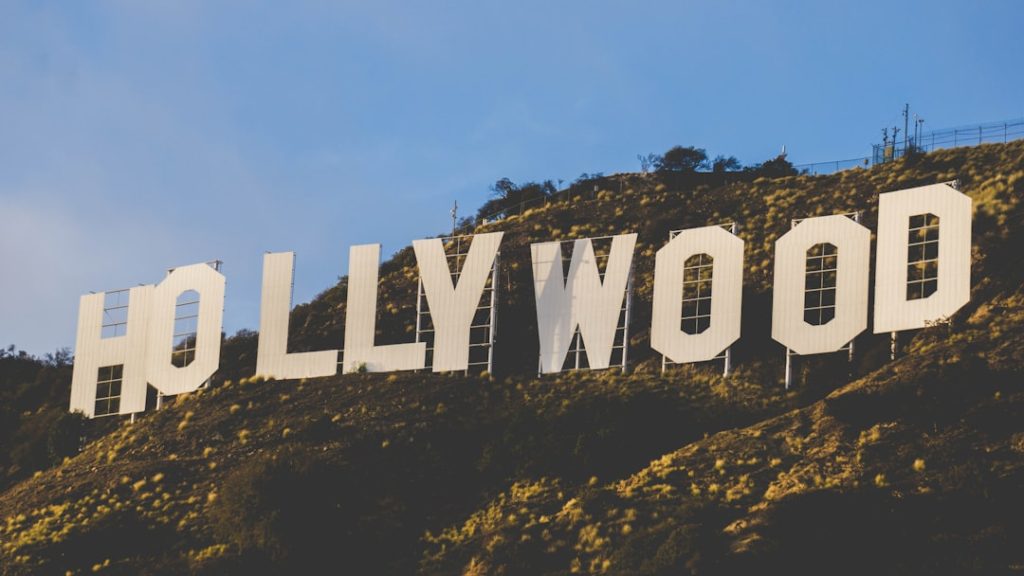
When examining the legacy of one of cinema’s most enduring figures a century after her birth, I find it deeply troubling how society has systematically stripped away the substance to focus solely on the surface. The blonde bombshell who captivated audiences in the 1950s was far more than the sexualized image that persists today – she was a shrewd businesswoman and political activist whose radical actions continue to resonate.
Beyond the Glitter: A Mind That Mattered
What strikes me most about this Hollywood legend is how deliberately her intelligence has been erased from public memory. While audiences remember the iconic white dress scene and sultry performances, they’ve forgotten the sharp mind behind those carefully crafted moments. This selective amnesia isn’t accidental – it serves those who prefer their female icons voiceless and compliant.
The entertainment industry of the 1950s was particularly brutal in its treatment of women, and this star’s experience exemplifies that cruelty. She understood the power dynamics at play, famously noting her hatred of being reduced to a mere symbol. Yet she also recognized the strategic value of her image, choosing to leverage it rather than simply submit to it.
For modern audiences, particularly young women navigating similar pressures in today’s social media landscape, her approach offers valuable lessons. She demonstrates how one can work within oppressive systems while simultaneously challenging them – a strategy that remains relevant for anyone facing institutional barriers.
A Pioneer of Social Justice
What I find most compelling about her story is how she used her platform for social change decades before celebrity activism became commonplace. Her intervention on behalf of jazz legend Ella Fitzgerald at the Mocambo nightclub wasn’t just a kind gesture – it was a calculated use of her privilege to combat racial discrimination.

This action reveals someone who understood systemic inequality and chose to act against it. For those who dismiss celebrity involvement in social causes today, her example proves that fame, when wielded thoughtfully, can create meaningful change. The fact that Fitzgerald credited this intervention with transforming her career demonstrates the tangible impact of strategic allyship.
Her political stance during the McCarthy era also deserves recognition. Supporting her husband’s refusal to cooperate with the House Un-American Activities Committee required genuine courage, especially for someone whose career depended on public approval. This wasn’t performative politics – it was principled action with real consequences.
Business Revolutionary Ahead of Her Time
Perhaps her most underappreciated achievement was founding her own production company in 1955. This move was revolutionary for its time and directly challenges the narrative of her as merely a passive sex symbol. She understood that creative control meant financial independence, and she was willing to fight powerful studio executives to achieve it.
For contemporary entrepreneurs, particularly women in male-dominated industries, her business strategy offers a masterclass in calculated risk-taking. She didn’t simply rebel – she built alternative structures that would benefit future generations of performers.
The fact that stars like Reese Witherspoon and Margot Robbie now run successful production companies can be traced back to the precedent she established. This legacy matters far more than any photograph or film role, yet it receives minimal attention in popular discussions of her life.

Lessons for Today’s Cultural Landscape
I believe her story is particularly relevant for anyone struggling with public perception versus private reality. She navigated the impossible balance between leveraging her image and maintaining her humanity – a challenge that social media has only intensified for public figures today.
Her approach to this dilemma was neither perfect nor simple, but it was authentic. She refused to pretend her sexuality wasn’t part of her appeal while simultaneously demanding recognition for her other qualities. This nuanced position offers guidance for anyone dealing with reductive public narratives.
However, her story isn’t universally applicable. Those who lack her natural charisma or strategic thinking might find her methods difficult to replicate. Her success required a unique combination of intelligence, timing, and circumstance that not everyone possesses.
What troubles me most about how she’s remembered today is the deliberate erasure of her agency. Reducing her to a collection of iconic images serves those who prefer their historical figures sanitized and non-threatening. The real woman – politically engaged, business-savvy, and uncompromising in her principles – challenges comfortable narratives about 1950s femininity and celebrity culture.
As we mark this centennial, I argue that focusing on her revolutionary spirit rather than her glamorous image would honor her true legacy. She anticipated many of the civil rights and feminist movements that would follow, using her platform to challenge racism, sexism, and economic inequality when few celebrities dared to take such stands.
Photo by De'Andre Bush on Unsplash
Photo by Pedro Marroquin on Unsplash
Photo by The Maker Jess on Unsplash